Exploring the Art of Slow Stitching Techniques for Mindful Creativity
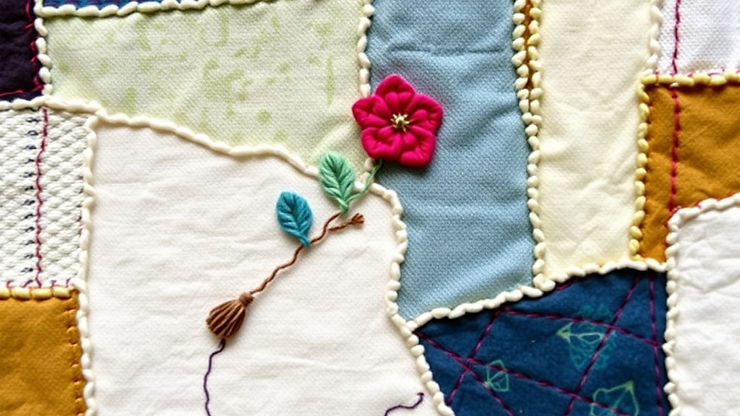
In a world that often values speed and instant results, slow stitching offers a refreshing way to reconnect with creativity and mindfulness. This gentle, deliberate approach to hand sewing invites you to slow down, focus on each stitch, and enjoy the process as much as the finished piece. Slow stitching is more than just a craft; it’s a form of meditation, a way to express yourself, and a chance to create something meaningful with your own hands.
What Is Slow Stitching?
Slow stitching is a hand embroidery and sewing practice that emphasizes taking time with each stitch. Unlike machine sewing or fast embroidery, slow stitching encourages you to work at a relaxed pace, savoring the tactile experience of needle, thread, and fabric. It often involves simple running stitches, sashiko, kantha, or other traditional techniques that create texture and pattern through repetition.
This approach is not about perfection or speed. Instead, it values imperfection, personal expression, and the calming rhythm of stitching. Slow stitching can be done on scraps of fabric, old clothes, or new textiles, turning everyday materials into unique works of art.
Benefits of Slow Stitching for Mindfulness and Creativity
Slow stitching offers several benefits beyond creating beautiful textiles:
Mindfulness and Stress Relief
The repetitive motion of stitching helps calm the mind and reduce anxiety. Focusing on each stitch brings you into the present moment, similar to meditation.
Creative Exploration
Without the pressure to finish quickly, you can experiment with colors, textures, and patterns. Slow stitching encourages playful creativity and personal storytelling through fabric.
Sustainability and Upcycling
Many slow stitchers use old or discarded fabrics, giving new life to worn textiles. This practice supports sustainable crafting and reduces waste.
Connection to Tradition
Slow stitching connects you to centuries-old hand sewing traditions from around the world, such as Japanese sashiko or Indian kantha, preserving cultural heritage.
Popular Slow Stitching Techniques
Here are some slow stitching methods that beginners and experienced stitchers enjoy:
Running Stitch
The running stitch is the simplest hand stitch, made by passing the needle in and out of the fabric at regular intervals. It creates a dashed line and is the foundation for many slow stitching projects.
Use it to outline shapes or create simple patterns.
Vary stitch length and spacing for texture.
Ideal for beginners learning control and rhythm.
Sashiko
Sashiko is a Japanese embroidery style traditionally used to reinforce clothing. It features geometric patterns made with white thread on indigo fabric.
Uses long running stitches in repeating patterns.
Creates both decorative and functional designs.
Great for quilting, mending, or embellishing garments.
Kantha
Kantha is a slow stitching technique from India and Bangladesh, often used to quilt layers of old saris or cloth.
Involves simple running stitches in rows or freeform patterns.
Produces a textured, quilted effect.
Often tells stories or depicts everyday scenes through stitching.
French Knots and Seed Stitch
Adding small knots or seed-like stitches can bring dimension and detail to slow stitching projects.
Use French knots to create dots or floral centers.
Seed stitch fills areas with tiny, scattered stitches.
Adds interest without overwhelming simple running stitches.
Getting Started with Slow Stitching
Starting slow stitching requires minimal supplies and no special skills. Here’s what you need:
Needles: Embroidery or crewel needles with a sharp point and a large eye.
Thread: Embroidery floss, perle cotton, or any strong thread.
Fabric: Cotton, linen, or scraps of old clothes.
Hoop (optional): Keeps fabric taut for easier stitching.
Scissors: Small and sharp for thread trimming.
Tips for Beginners
Choose a simple project like a small patch or a fabric scrap.
Practice running stitches on scrap fabric to find a comfortable rhythm.
Don’t worry about perfect stitches; embrace irregularities.
Use contrasting thread colors to highlight your stitches.
Keep your hands relaxed to avoid fatigue.
Examples of Slow Stitching Projects
Slow stitching can be applied to many creative projects. Here are some ideas to inspire you:
Mending Clothes
Use sashiko or running stitches to repair holes or worn areas, turning mending into decoration.
Textile Art
Create abstract or representational designs on fabric panels to frame or use as wall hangings.
Quilting
Add slow stitching layers to quilts for texture and warmth.
Personalized Gifts
Embroider names, dates, or meaningful symbols on handkerchiefs, bags, or scarves.
Journaling with Fabric
Stitch small fabric squares with words or images that reflect your thoughts and feelings.
How Slow Stitching Supports Well-being
Engaging in slow stitching can improve mental health and well-being in several ways:
Focus and Presence
Concentrating on each stitch helps quiet distracting thoughts and promotes mindfulness.
Sense of Accomplishment
Completing a slow stitching project, no matter how small, boosts confidence and satisfaction.
Creative Outlet
Expressing emotions and ideas through fabric can be therapeutic and fulfilling.
Community Connection
Many slow stitchers join groups or online forums to share projects and support each other.
Challenges and How to Overcome Them
Slow stitching requires patience and practice. Some common challenges include:
Frustration with Imperfect Stitches
Remember that irregular stitches add character and uniqueness.
Hand Fatigue
Take breaks and stretch your hands regularly.
Finding Time
Set aside small daily or weekly sessions to build a slow stitching habit.
Choosing Materials
Start with affordable fabrics and threads before investing in specialty supplies.
Resources to Learn More
If you want to dive deeper into slow stitching, consider these resources:
Books like Slow Stitch by Claire Wellesley-Smith or Sashiko by Yukiko Koide.
Online tutorials and workshops on platforms like YouTube or Craftsy.
Local craft groups or community centers offering hand embroidery classes.
Social media groups dedicated to slow stitching for inspiration and support.
Slow stitching invites you to slow down, enjoy the tactile pleasure of needle and thread, and create meaningful pieces that reflect your personality and care. Whether you want to reduce stress, explore creativity, or connect with tradition, slow stitching offers a simple, accessible way to enrich your life one stitch at a time.
Comments